
 By admin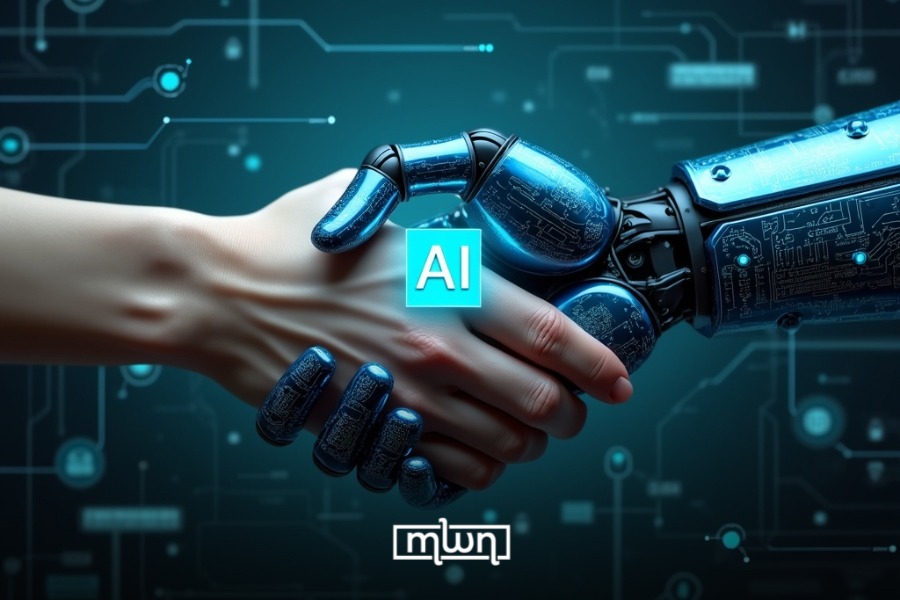
In 2026, artificial intelligence (AI) continues to revolutionize various industries, driving efficiency, innovation, and new business models. The integration of AI technologies into everyday operations has moved beyond experimental phases to become a fundamental component of industrial progress. From healthcare and finance to manufacturing and retail, AI’s transformative impact is reshaping how organizations operate and compete in the global market.
One of the most significant changes brought by AI is in healthcare. Advanced machine learning algorithms now assist doctors with diagnostics by analyzing vast amounts of medical data more accurately and quickly than humanly possible. Predictive analytics help identify potential health risks before symptoms manifest, enabling preventive care that improves patient outcomes while reducing costs. Additionally, AI-powered robotic surgery systems offer unprecedented precision during complex procedures, minimizing recovery times and enhancing surgical success rates.
In the financial sector, AI-driven automation streamlines processes such as fraud detection, risk assessment, and customer service. Sophisticated algorithms analyze transaction patterns in real-time to flag suspicious activities faster than traditional methods could. Personalized financial advice powered by natural language processing provides clients with tailored investment strategies based on their unique goals and risk tolerance. These advancements not only improve security but also enhance user experience through greater accessibility click here and responsiveness.
Manufacturing has been transformed through AI-enabled predictive maintenance systems that anticipate equipment failures before they occur. This proactive approach reduces downtime significantly while optimizing resource allocation across production lines. Furthermore, smart factories employ robotics combined with computer vision to perform quality control inspections at speeds unattainable by human workers alone-ensuring higher product standards consistently are met.
Retail businesses leverage AI for inventory management using demand forecasting models that adjust stock levels dynamically according to consumer behavior trends detected via online interactions or social media analysis. Customer engagement is enhanced through chatbots capable of understanding nuanced queries and providing instant support around the clock without human intervention.
Transportation also benefits from advances in autonomous vehicles guided by deep learning frameworks capable of navigating complex environments safely under varying conditions-a development poised to reduce accidents caused by human error dramatically while improving logistics efficiency worldwide.
As these examples illustrate clearly: artificial intelligence in 2026 is no longer confined to theoretical applications but serves as an indispensable tool driving actionable insights across sectors. The continuous refinement of algorithms alongside expanding computational power promises even greater breakthroughs ahead-heralding an era where collaboration between humans and intelligent machines defines industrial excellence globally.